
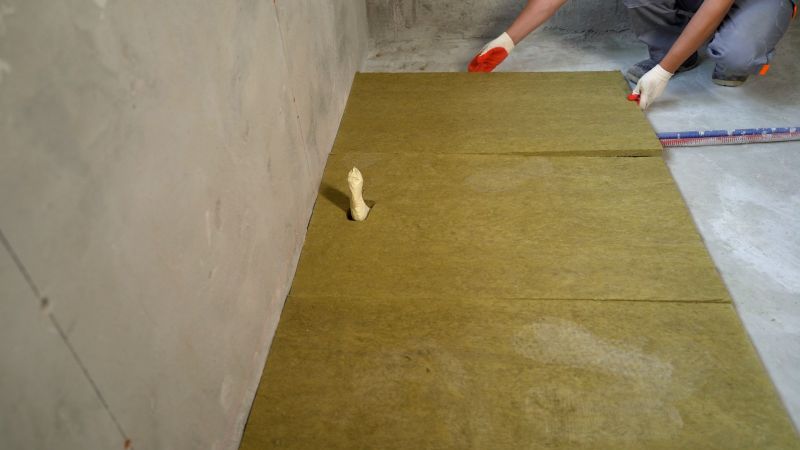
Rigid Insulation Installation in Austin, TX
Rigid insulation installation involves adding high-performance insulation materials to improve energy efficiency and interior comfort in residential properties. This service is commonly used in projects such as basement walls, exterior sheathing, attics, and crawl spaces, providing a continuous layer of insulation that helps reduce heat transfer and improve overall thermal performance. Homeowners typically seek this service to enhance energy savings, prevent drafts, and create a more consistent indoor temperature, especially in climates with significant temperature fluctuations.
Before requesting rigid insulation installation, property owners often want to understand the different types of insulation available, such as foam boards or rigid panels, and which options are best suited for their specific project. It’s also important to consider factors like proper installation techniques, moisture resistance, and compatibility with existing building materials. Clear communication about project scope, insulation R-values, and any necessary preparation can help ensure the installation meets the desired performance goals and contributes to a more comfortable living environment.
Many property owners in Austin, TX look into Rigid Insulation Installation for repairs, replacements, upgrades, and appearance-related improvements.
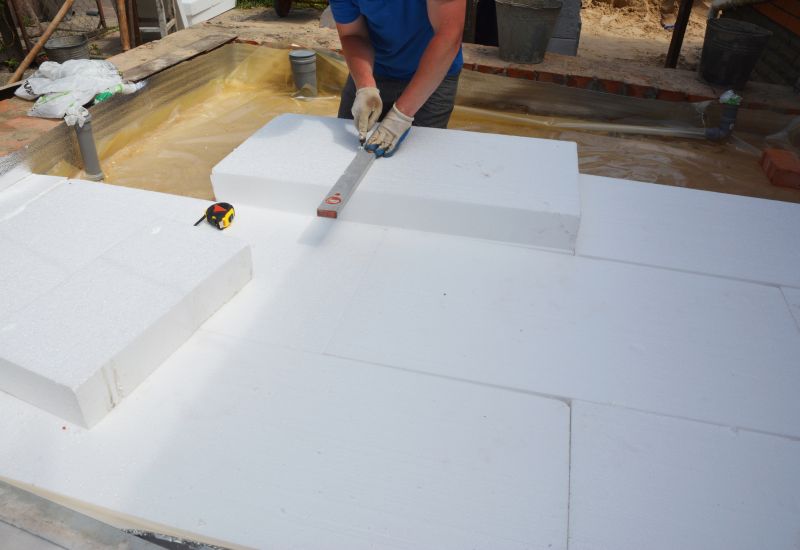
Benefits Of Rigid Insulation
Rigid insulation helps improve energy efficiency and enhances building durability.
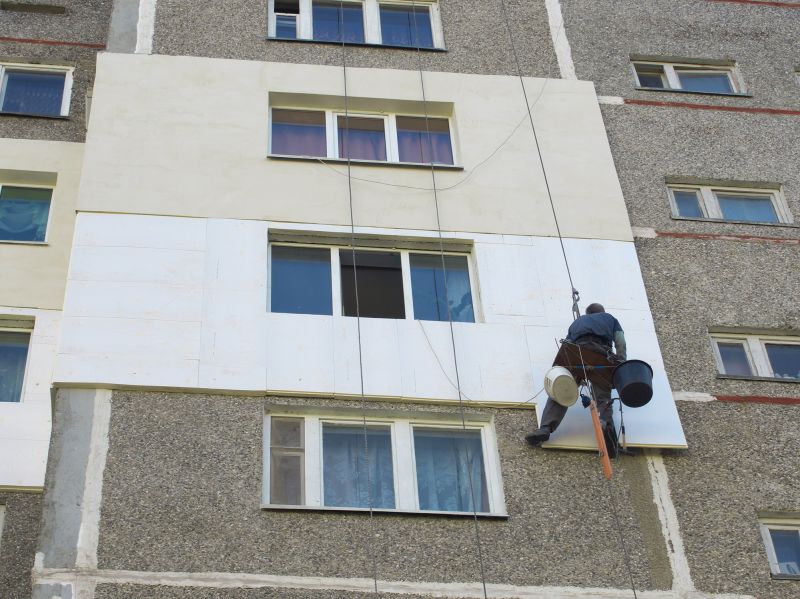
Common Installation Applications
It is often used in walls, roofs, and foundations for optimal thermal performance.

Choosing The Right Material
Selecting the appropriate rigid insulation depends on the specific needs of your austin property.
Rigid Insulation Installation in Austin, TX
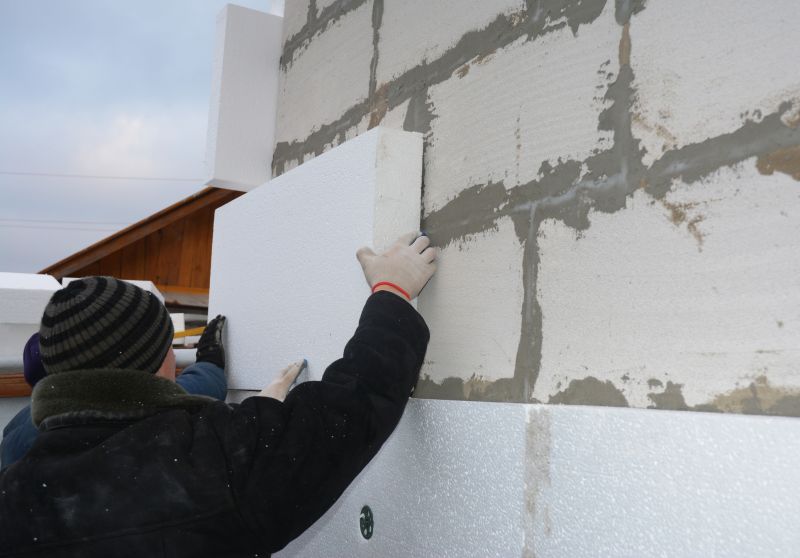
Rigid insulation installation involves adding high-performance insulation materials to improve energy efficiency and interior comfort in residential properties. This service is commonly used in projects such as basement walls, exterior sheathing, attics, and crawl spaces, providing a continuous layer of insulation that helps reduce heat transfer and improve overall thermal performance. Homeowners typically seek this service to enhance energy savings, prevent drafts, and create a more consistent indoor temperature, especially in climates with significant temperature fluctuations.
Before requesting rigid insulation installation, property owners often want to understand the different types of insulation available, such as foam boards or rigid panels, and which options are best suited for their specific project. It’s also important to consider factors like proper installation techniques, moisture resistance, and compatibility with existing building materials. Clear communication about project scope, insulation R-values, and any necessary preparation can help ensure the installation meets the desired performance goals and contributes to a more comfortable living environment.
Many property owners in Austin, TX look into Rigid Insulation Installation for repairs, replacements, upgrades, and appearance-related improvements.
Common Rigid Insulation Installation Jobs
Commercial building insulation - Rigid insulation is installed to improve energy efficiency in commercial structures.
Basement insulation - Rigid boards help prevent heat loss and reduce moisture in basement spaces.
Attic insulation - Installing rigid insulation in attics can enhance temperature regulation and reduce cooling costs.
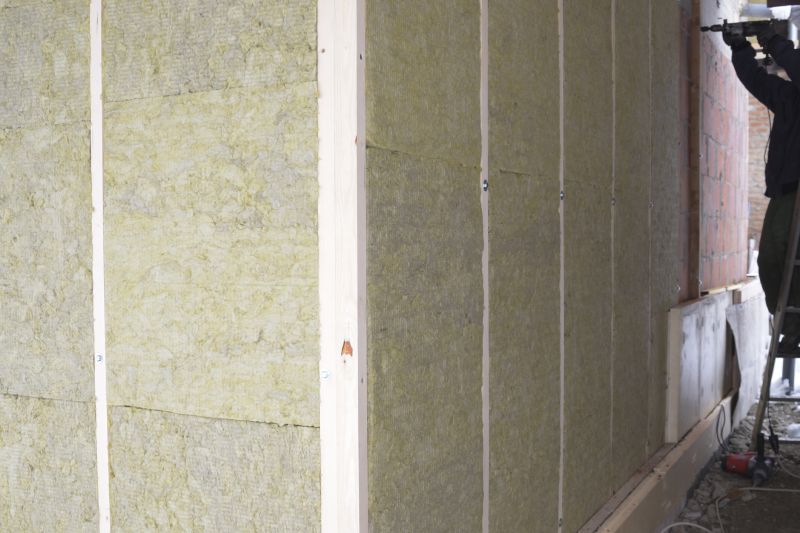
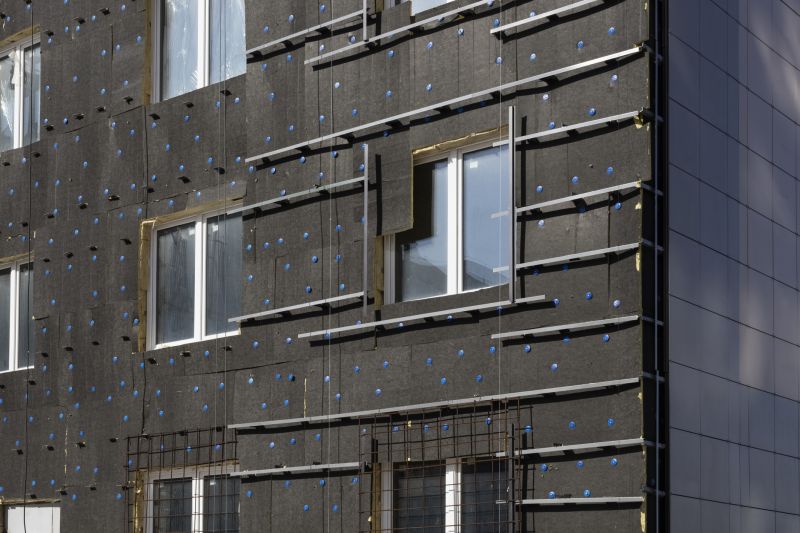
Exterior wall insulation - Rigid panels are used to increase thermal resistance and protect exterior walls.
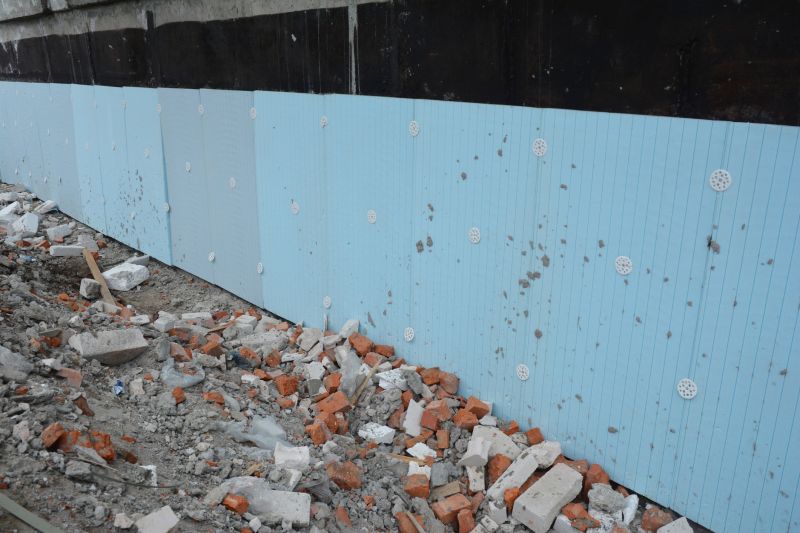
Foundation insulation - Proper installation of rigid insulation helps safeguard foundations from temperature fluctuations.
Renovation projects - Rigid insulation is often added during remodeling to upgrade insulation performance.
Rigid Insulation Installation Questions
What is rigid insulation used for? Rigid insulation provides thermal resistance for walls, roofs, and foundations, helping to improve energy efficiency in buildings.
Which projects benefit from rigid insulation installation? It is commonly used in new construction, renovations, basement finishing, and attic insulation projects.
How does rigid insulation improve property comfort? It reduces heat transfer, maintaining more consistent indoor temperatures and lowering energy costs.
What types of rigid insulation materials are available? Common options include polystyrene, polyisocyanurate, and polyurethane boards, each suited for different applications.
Request Rigid Insulation Installation in Austin, TX
Use the quote form on this page to share the basics of your project and request more information for the type of work you need.